
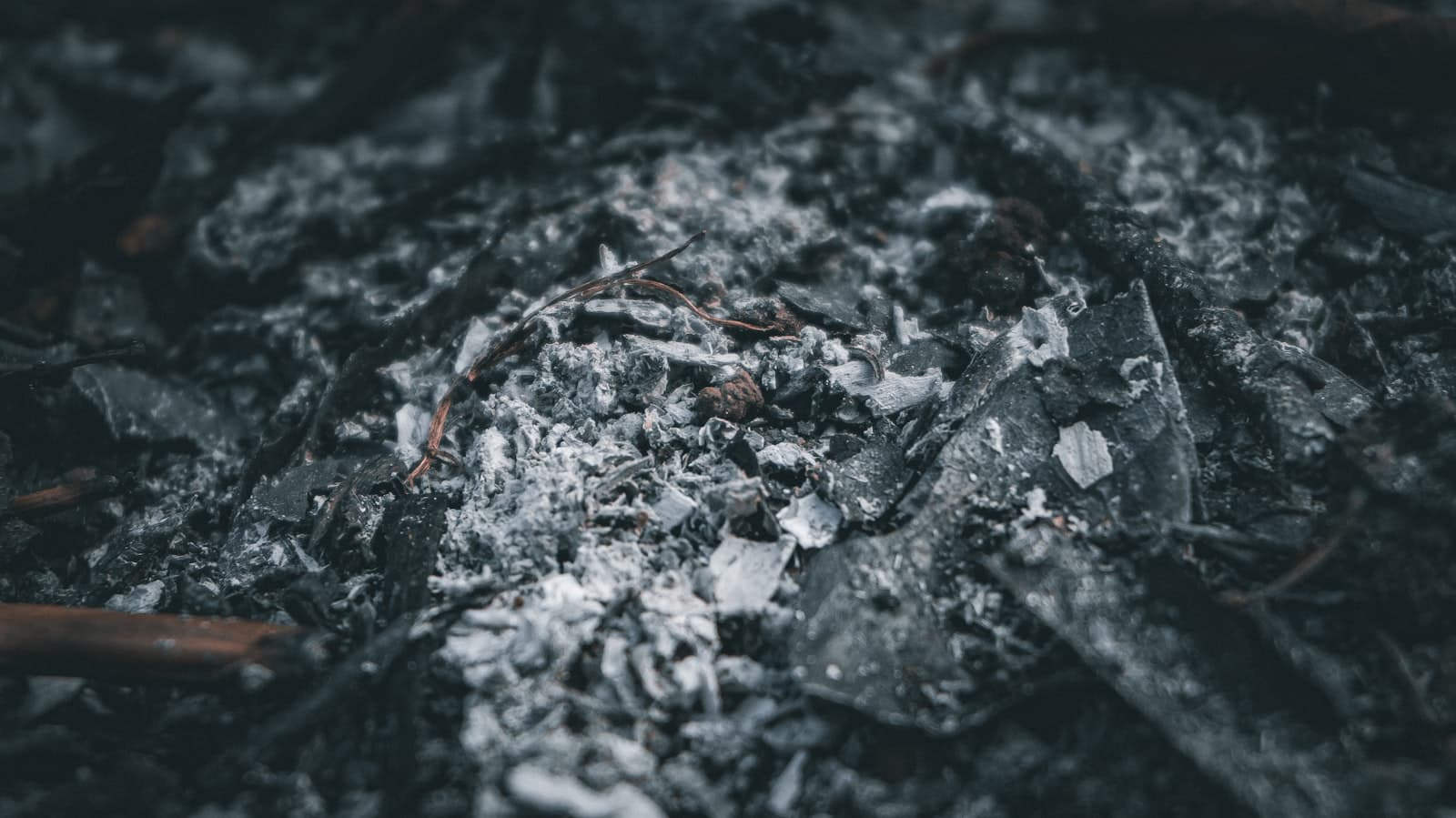
Wood Ash: Free Potash — Used Carefully
Wood ash from a clean fire is a free source of potash and calcium, a pest dust, and a grain-storage protectant - but it raises soil pH.
Vaibhav Dhama2 min readFree potash and lime from a clean fire — a gift to acid soils, a mistake on alkaline ones. Everything about using it well comes down to that.
Wood ash from a clean cooking or crop-residue fire carries 5–10% potash and a high level of calcium, with only trace phosphorus and micronutrients. It also carries lime value, which is exactly why applying it raises soil pH.
That single fact drives every rule for using it: a genuine benefit on acidic soil, worked lightly into the topsoil or dusted on leaves against soft-bodied pests, but a mistake on soil that is already alkaline or saline, where it pushes the pH higher still and can lock up other nutrients.
Open a crop for its full nutrient schedule.
Long-form guides on this fertiliser, with the rates and timings worked out.
On acidic soils, yes — it supplies potash and calcium and gently raises pH toward neutral. On already-alkaline or saline soils it does more harm than good, because it pushes the pH higher still. Always match it to your soil, and apply modestly.
Sparingly — a light dressing worked into the soil, not heaped on. Because it is alkaline and concentrated in potassium, over-application skews soil chemistry and can lock up other nutrients. Spread it thin and observe, rather than treating it like a bulk fertiliser.
Dusted lightly on leaves it deters some soft-bodied pests and slugs, and it is a traditional protectant dusted through stored grain and pulses against storage insects. It is a mild, supporting measure, best kept dry to keep working.
Composition and doses follow ICAR / Soil Health Card guidance; prices are the notified subsidised rates for the season shown and are guidance, not a quote. A soil test for your field always beats a general rate. See our editorial policy.