ब्रॉयलर बनाम लेयर: दो अलग व्यवसाय
ब्रॉयलर 5-6 हफ़्ते का फ़ीड-दक्षता दांव है; लेयर पूरे साल के अंडा उत्पादन पर दांव है। नक़दी-प्रवाह के हिसाब से सही चुनाव कैसे करें।
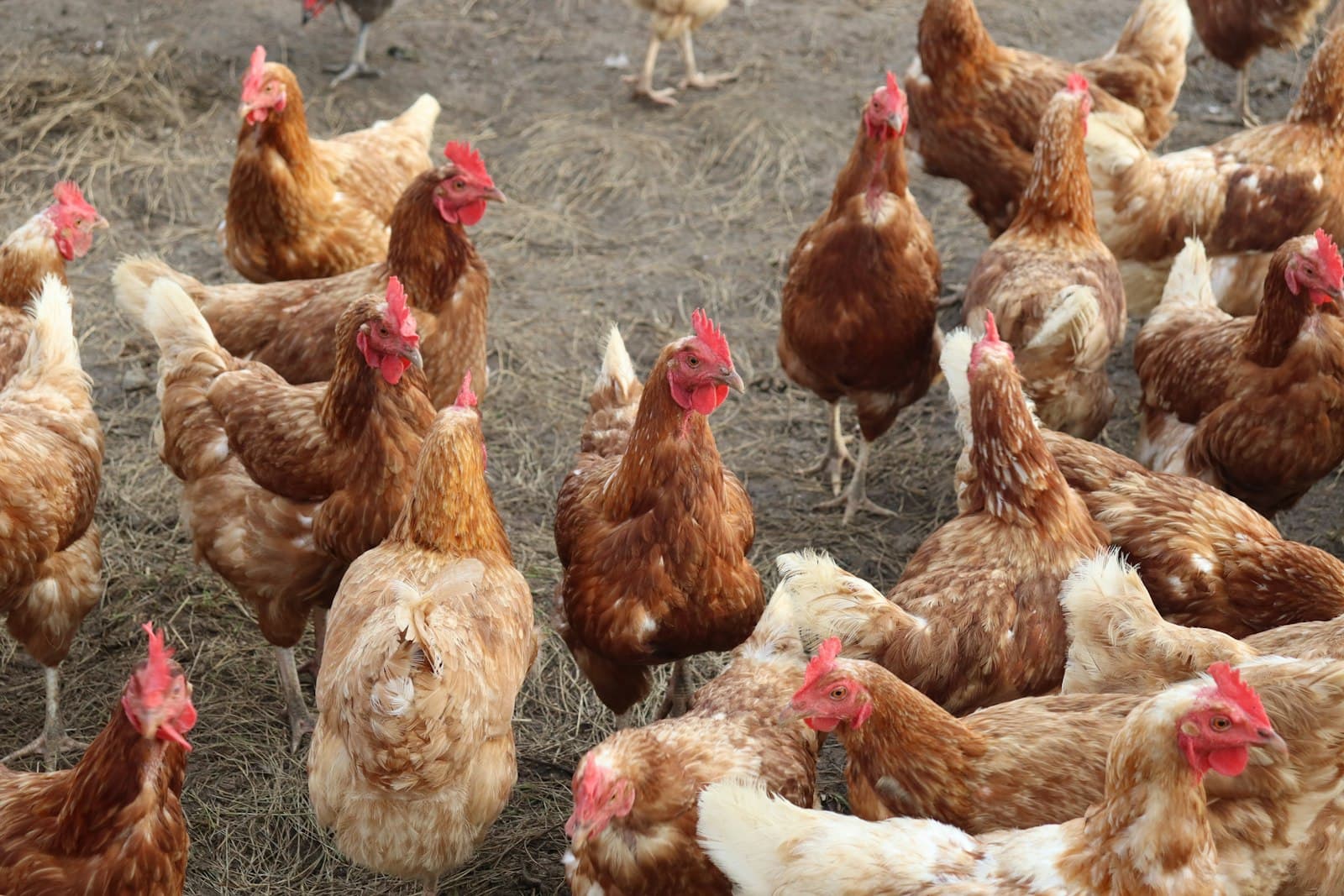
Broiler and layer are two different businesses that happen to use the same bird family. Confusing them — building a broiler shed with a layer's cash-flow assumptions, or the reverse — is the single most common mistake a new poultry farmer makes. See the poultry topic page and the business opportunities section on the livestock hub for the numbers behind this comparison.
Broiler: fast capital turnover, thin margins
A broiler batch reaches market weight (~2 kg) in 35–42 days, with a feed conversion ratio (FCR) of about 1.6–1.8 kg of feed per kg of gain. That short cycle is the appeal — capital comes back in five to six weeks, not months — but the margin per bird is thin, and feed (the largest single cost) is exposed to price swings within the batch itself. A typical 500–1,000 bird shed nets roughly ₹15,000–40,000 per batch, before fixed costs.
Broiler rewards operational discipline more than almost any other livestock enterprise: strict biosecurity, exact feed timing, and daily monitoring for the first sign of disease, since a sick batch this close to market weight has little time to recover before the sale window closes.
Layer: a long runway, then steady daily revenue
A layer flock starts producing at 18–20 weeks and yields roughly 280–300 eggs per bird per year once established — daily revenue for a year or more, rather than one lump sum every five weeks. The trade-off is the wait: five months of feed cost before the first egg is sold, and a longer-term commitment to biosecurity and disease management across the flock's whole productive life.
Kadaknath: neither, and priced accordingly
Kadaknath is not a faster or slower version of the same trade — it is a different market. It reaches only about 1–1.2 kg in five to six months, far slower than a broiler hybrid, but commands 3–4 times the broiler price on both meat and eggs, because buyers are paying for a recognised, premium indigenous breed rather than throughput. It is hardy and well suited to free-range keeping, which suits a smaller, quality-focused operation better than a high-density commercial shed.
Choosing between them
Match the enterprise to your cash-flow horizon, not to whichever number looks bigger:
- Need cash back within weeks, and can commit to intensive daily monitoring? Broiler.
- Can carry feed cost for several months before the first sale, and want a steadier income after that? Layer.
- Have a market that pays a premium for indigenous-breed meat or eggs, and can wait longest for a return? Kadaknath or another indigenous breed.
Whichever you choose, biosecurity is not optional — poultry diseases like Newcastle Disease and Avian Influenza can wipe out a flock in days, and the vaccination calendar from day one (Marek's at hatch, Newcastle and IBD through the first month) is the cheapest insurance either business has.
Frequently asked questions
ब्रॉयलर या लेयर, कौन ज़्यादा लाभदायक है?
कोई भी सार्वभौमिक रूप से ज़्यादा लाभदायक नहीं है — ब्रॉयलर पूंजी सबसे तेज़ (5–6 हफ़्ते चक्र) घुमाता है पर मार्जिन पतला है और चारे के भाव में उतार-चढ़ाव के प्रति संवेदनशील; लेयर को पहली आमदनी तक कहीं लंबा समय (~5 महीने) चाहिए पर फिर एक साल या ज़्यादा रोज़ाना आमदनी देता है। जिसे जल्दी नक़द वापस चाहिए उसके लिए ब्रॉयलर सही है; जो कई महीने पक्षियों को पाल सके उसके लिए लेयर।
कौन सी मुर्गी नस्ल सबसे तेज़ बढ़ती है?
व्यावसायिक ब्रॉयलर संकर — तेज़ बढ़त के लिए ख़ास तौर पर बनाए गए संकर, कोई एक नामित नस्ल नहीं — 35–42 दिन में बाज़ार वज़न (लगभग 2 किग्रा) तक पहुँच जाते हैं। इसके विपरीत, कड़कनाथ को लगभग 1–1.2 किग्रा तक पहुँचने में 5–6 महीने लगते हैं; इसे गति के लिए नहीं, मांस की गुणवत्ता व प्रीमियम भाव के लिए पाला जाता है।
एफसीआर क्या है और ब्रॉयलर के लिए क्यों मायने रखता है?
फ़ीड दक्षता अनुपात वह किग्रा फ़ीड है जो एक किग्रा वज़न बढ़ाने के लिए चाहिए — ब्रॉयलर के लिए आम तौर पर 1.6–1.8। फ़ीड ब्रॉयलर बैच की सबसे बड़ी एकल लागत है, इसलिए एफसीआर में छोटा बदलाव (पक्षी गुणवत्ता, बीमारी, या शेड की स्थिति से) लगभग किसी भी अन्य चर से ज़्यादा बैच के मुनाफ़े को हिलाता है।

लेखक
Vaibhav Dhama
संस्थापक, टेक्निकल किसान
वैभव धामा टेक्निकल किसान के संस्थापक हैं। वे बागपत, उत्तर प्रदेश से लिखते हैं — आईसीएआर और राज्य कृषि विश्वविद्यालयों की सलाह, सरकारी योजना अधिसूचनाओं और लाइव मंडी भाव के आधार पर।
- बागपत, उत्तर प्रदेश से लिखते हैं
- पेशे से सॉफ़्टवेयर डेवलपर (BTech, 2021)
- कृषि विशेषज्ञ नहीं — अपने KVK से पुष्टि करें
Discussion is coming soon
We are building a comments section where you can ask a question about this guide and see what other farmers in your district are doing.
For now, write to us at [email protected] — we read every message.