सबसे अच्छी डेयरी गाय नस्ल कैसे चुनें
एचएफ कागज़ पर सबसे ज़्यादा दूध देती है, पर मुनाफा वह नस्ल देती है जिसे आपका चारा-पानी सँभाल सके। एचएफ, जर्सी, साहीवाल, गिर की तुलना।
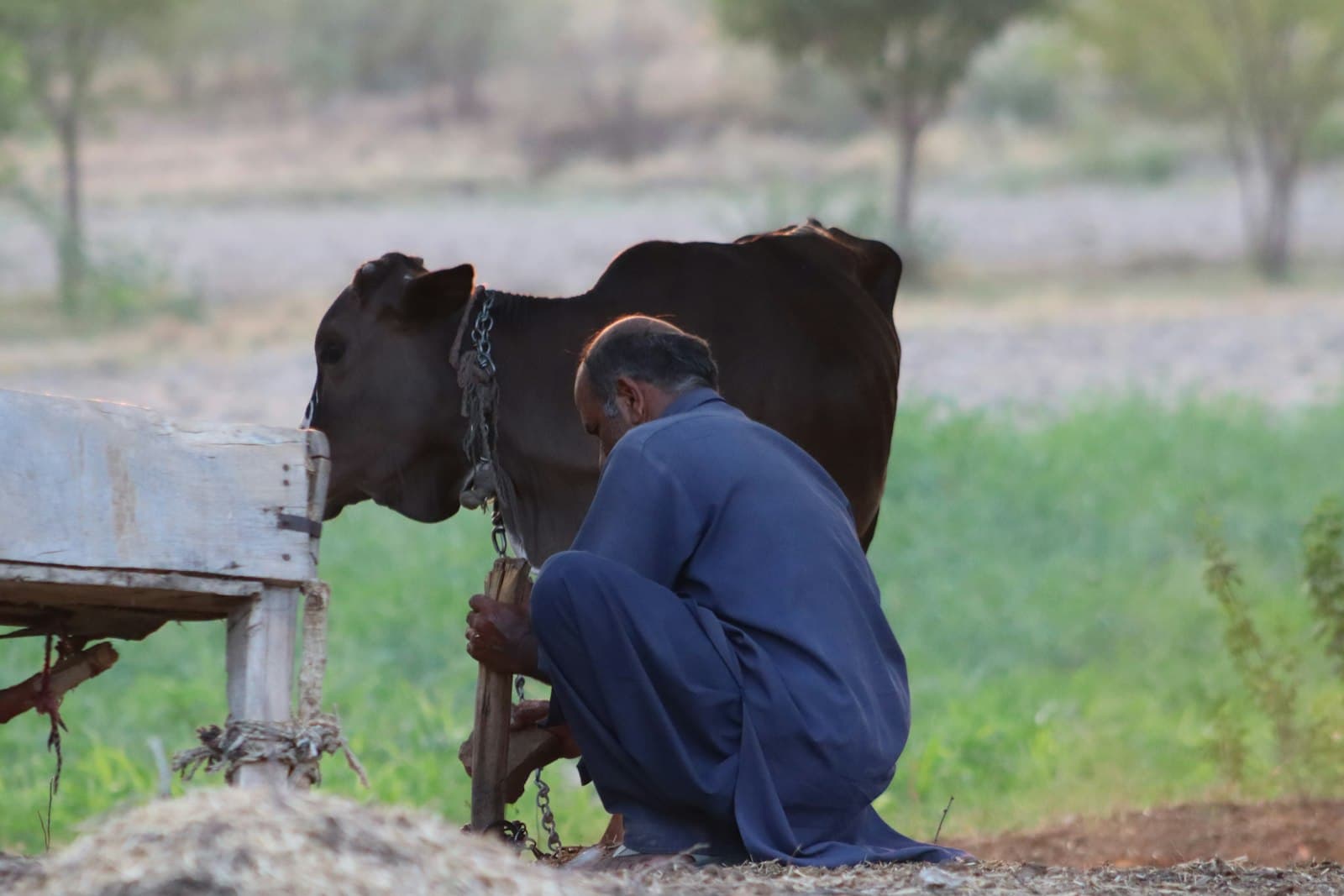
The honest answer to "which breed should I buy" is: the one your farm can actually feed and house, not the one with the biggest number on a poster. HF crossbred's 12–18 litres/day looks unbeatable next to Sahiwal's 8–10 — until you count what it costs to get there. Here is how the four breeds compared on the dairy topic page actually stack up.
HF Crossbred — the highest ceiling, the highest input bill
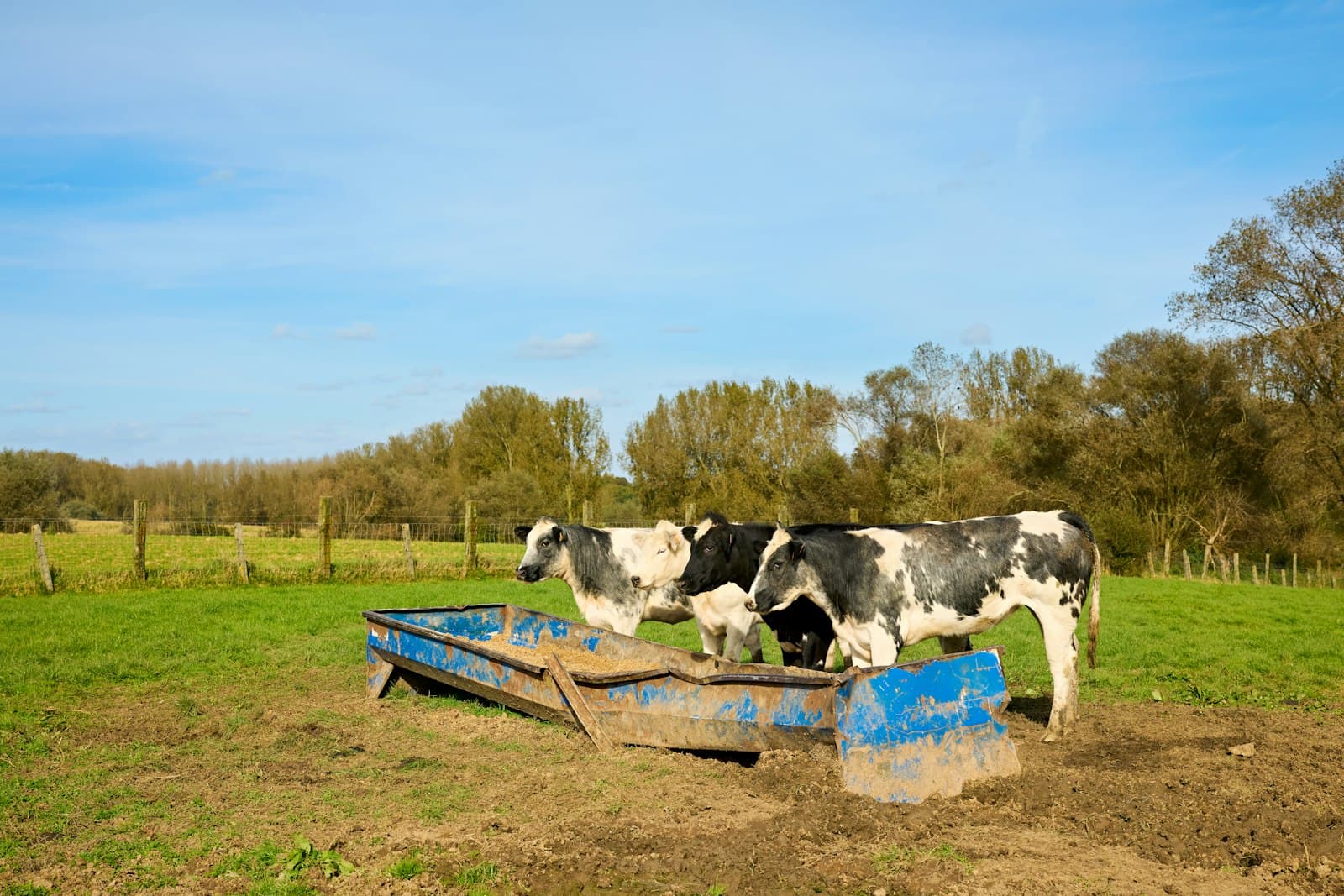
HF (Holstein Friesian) crossbred is bred for one thing: volume. 12–18 litres/day is realistic on good feed, but the animal needs it — a lactating crossbred cow eats roughly 3% of its body weight in dry matter a day, split across green fodder, dry fodder and a meaningful concentrate share (use the Feed Requirement Calculator to see the exact split for your animal's weight). It also needs shade in a heatwave, careful housing, and is more disease-prone than an indigenous breed — HF crossbred is the breed that rewards good management and punishes bad management fastest.
Jersey — smaller, richer, cooler-climate
Jersey yields slightly less than HF (10–16 litres/day) but its milk runs higher in fat, which matters if you're paid on a fat-and-SNF basis rather than flat per litre. It does best in cooler or hilly climates and, like HF, needs careful feeding and housing to hit its numbers — it is not the low-input choice on this list.
Sahiwal and Gir — the hardy, indigenous option
Sahiwal (8–10 litres/day) and Gir (6–10 litres/day) give up peak yield for hardiness: excellent heat tolerance, high disease resistance, and a far lower feed bill. Neither needs a fan, a cooling shed, or the same veterinary attention a crossbred does. On a smallholding without assured green fodder or reliable power for a cooler, an indigenous breed is often the more profitable choice even at the lower yield — the margin, not the litre count, is what pays the bills.
Working out which one actually pays on your farm
Run the numbers rather than going on yield alone:
- Feed cost. Use the Feed Requirement Calculator for your candidate breed's typical body weight, and the Milk Production Calculator to see net income after that feed cost — a high yield with a high feed bill can net less than a modest yield on a cheap ration.
- Climate. A crossbred without shade or a cooler in a hot district loses yield and fertility fast; an indigenous breed does not have that failure mode.
- Fodder access. Roughly 0.5–1 acre of assured green fodder per adult animal is the rule of thumb — without it, every extra litre of crossbred yield is paid for at market feed prices.
- Credit. A dairy loan — including a preset already built into the Loan EMI Calculator — and the Kisan Credit Card both extend to animal purchase, whichever breed you choose.
There is no universally "best" breed on this list — only the one that fits the feed, climate and management you can actually deliver, every single day of the year.
Frequently asked questions
कौन सी गाय नस्ल सबसे ज़्यादा दूध देती है?
व्यापक रूप से पाली जाने वाली नस्लों में एचएफ (होल्स्टीन फ्रीज़ियन) संकर आमतौर पर सबसे ज़्यादा — 12–18 लीटर/दिन — देती है, फिर जर्सी 10–16 लीटर/दिन। दोनों आँकड़े सावधान चारा व आवास मानकर हैं; सामान्य छोटे किसान प्रबंधन में देसी नस्लों से अंतर काफ़ी कम हो जाता है।
क्या साहीवाल एचएफ संकर से बेहतर है?
बेहतर किस बात में, यही तय करता है। साहीवाल कम दूध देती है (8–10 लीटर/दिन) पर उसे कहीं कम चारा चाहिए, बिना पंखे या छाया शेड गर्मी सहती है, बीमारी को बेहतर झेलती है, और शायद ही कभी पशु चिकित्सक की ज़रूरत पड़ती है। प्रति रुपया निवेश के हिसाब से, छोटी, कम-इनपुट जोत पर साहीवाल अक्सर एचएफ संकर से आगे निकल जाती है।
क्या एक झुंड में अलग-अलग नस्लें रख सकते हैं?
हाँ, और कई कार्यरत डेयरियाँ ऐसा करती हैं — मज़बूती के लिए एक-दो देसी नस्ल और अधिकतम उत्पादन के लिए एक-दो संकर, जोखिम बाँट देता है। पेच चारे में है: एक ही सपाट राशन पर मिश्रित झुंड में अधिक उत्पादन वाली गाय को कम और देसी पशु को ज़्यादा चारा मिलता है, इसलिए राशन प्रति शेड नहीं, प्रति पशु ही तय करना चाहिए।

लेखक
Vaibhav Dhama
संस्थापक, टेक्निकल किसान
वैभव धामा टेक्निकल किसान के संस्थापक हैं। वे बागपत, उत्तर प्रदेश से लिखते हैं — आईसीएआर और राज्य कृषि विश्वविद्यालयों की सलाह, सरकारी योजना अधिसूचनाओं और लाइव मंडी भाव के आधार पर।
- बागपत, उत्तर प्रदेश से लिखते हैं
- पेशे से सॉफ़्टवेयर डेवलपर (BTech, 2021)
- कृषि विशेषज्ञ नहीं — अपने KVK से पुष्टि करें
Discussion is coming soon
We are building a comments section where you can ask a question about this guide and see what other farmers in your district are doing.
For now, write to us at [email protected] — we read every message.