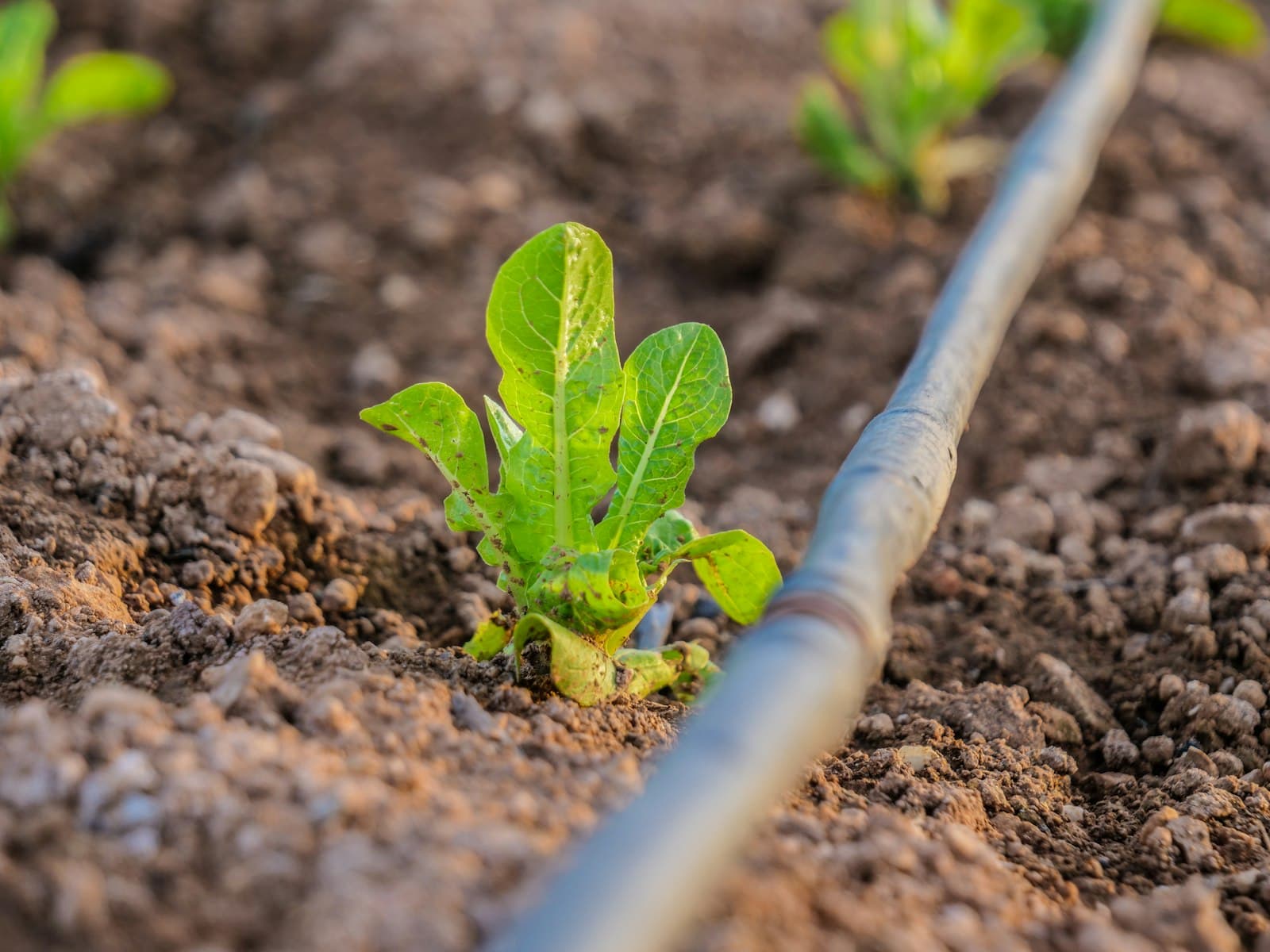
Rainwater Management: Capture the Monsoon
Most farms already get enough rain to cut irrigation costs sharply - it's simply not captured. A farm pond, bunding and mulching fix that.
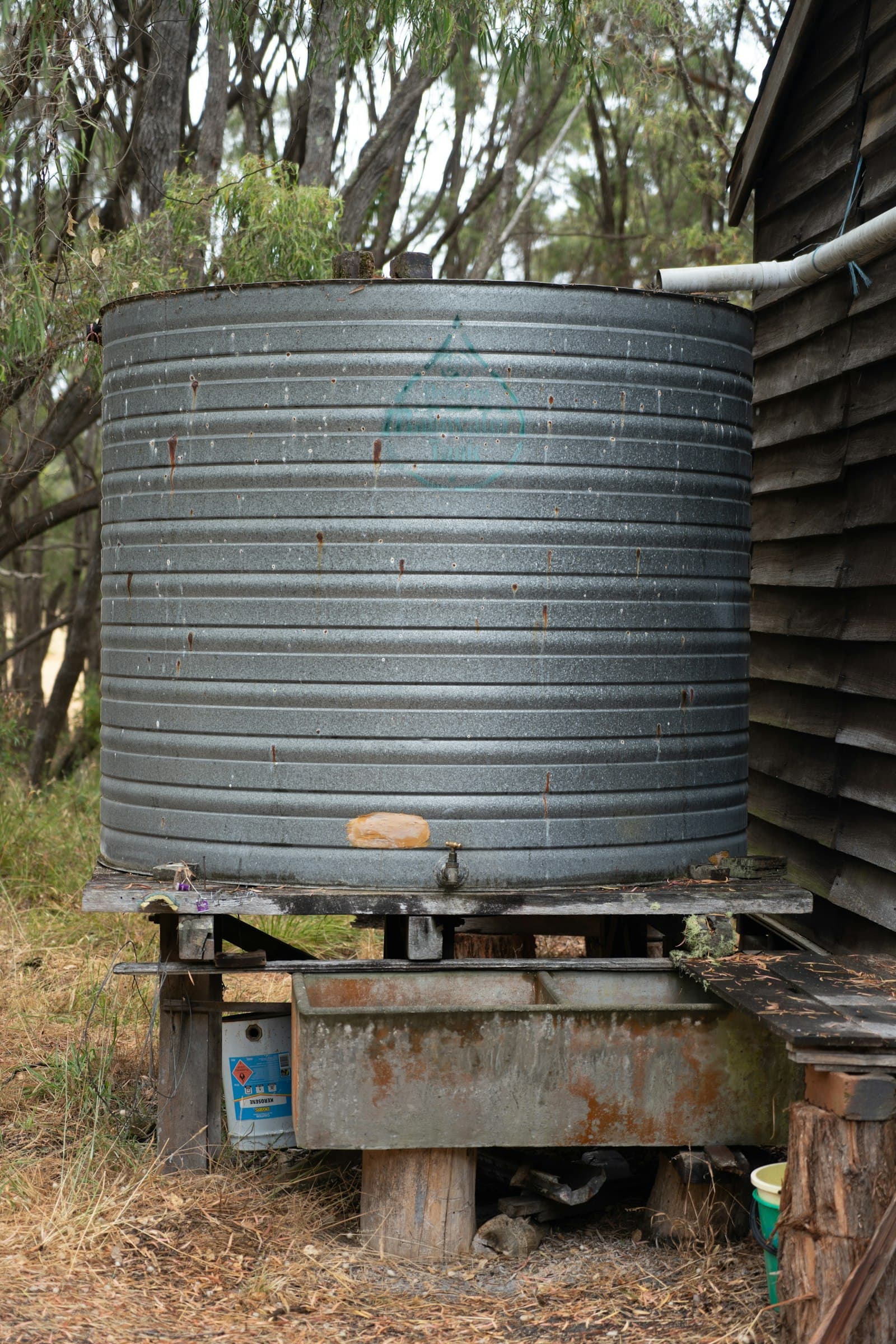
Most farms are not short of rain across the year — they are short of a way to hold onto it between the day it falls and the week it is actually needed. Rainwater management is the set of structures and habits that close that gap.
The farm pond: the single highest-leverage structure
A farm pond captures surface runoff during the monsoon and stores it for supplemental irrigation through a dry spell or into the early rabi season. As a rough guide, one pond per 4–5 hectares of catchment is a commonly used sizing rule, refined by your local soil type and rainfall pattern — porous or sandy soil needs a lining (clay, plastic sheeting or concrete) to stop the stored water simply seeping away before it can be used.
Contour and field bunding: slowing water down where it falls
Water that runs off a field fast neither irrigates that field nor recharges the soil beneath it — it just leaves. Contour bunds and field bunds slow that runoff, giving rain more time to infiltrate into the soil profile instead of draining away, which is a form of water capture that needs no pump, pipe or pond at all.
Check dams: the community-scale version
Where a seasonal stream or nullah runs through several farms, a check dam slows and spreads out the flow, recharging the groundwater table that everyone's wells and borewells draw from. This is typically a watershed-level project rather than a single-farm one, but its benefit — a higher water table into the dry season — reaches every well downstream of it.
Mulching: capturing water you have already stored
Once water is in the soil, mulch is what keeps it there. A mulch layer cuts direct evaporation from bare soil and softens the impact of heavy rain, letting more water infiltrate instead of running off the surface. It is the cheapest, most immediately actionable piece of rainwater management available to almost any farm, monsoon-season or not.
Where this connects to irrigation efficiency
None of this is separate from how water is eventually applied to the crop. Stored monsoon water used through a drip system rather than flood irrigation stretches meaningfully further, which is the logic behind PDMC (Per Drop More Crop), the drip/sprinkler subsidy component of PM-RKVY — rainwater capture and efficient application are two halves of the same water budget, not two unrelated projects.
The one sentence version
The monsoon usually delivers more water than a farm can use in the moment it falls — a pond, contour bunds, a check dam and mulch are what turn that one-time delivery into water available on the day it is actually needed.
Frequently asked questions
What size farm pond does a small holding need?
Sizing depends on your catchment area, local rainfall and the irrigation gap you are trying to cover, but a commonly used rule of thumb is roughly one farm pond per 4–5 hectares of catchment. Your state's watershed development or soil conservation department can help size one correctly for your specific field.
Does mulching actually reduce how much I need to irrigate?
Yes, meaningfully — a mulch layer cuts direct evaporation from the soil surface, which is a large share of total water loss in a hot, sunny field. It also reduces runoff by absorbing the direct impact of a rain shower, letting more water infiltrate rather than run off before the soil can absorb it.

Written by
Vaibhav Dhama
Founder, Technical Kisan
Vaibhav Dhama is the founder of Technical Kisan. He writes from Baghpat, Uttar Pradesh, and builds each guide on ICAR and state agricultural university guidance, official government scheme notifications, and live mandi-price data.
- Writes from Baghpat, Uttar Pradesh
- Software developer (BTech, 2021)
- Not a trained agronomist — confirm with your KVK
Discussion is coming soon
We are building a comments section where you can ask a question about this guide and see what other farmers in your district are doing.
For now, write to us at [email protected] — we read every message.