

Moringa Powder Production: From Leaves to Market
How to turn moringa leaves into export-grade powder: the right harvest stage, shade-drying, grinding, and where the leaf-powder market actually pays.
Vaibhav Dhama6 min readCompare today's modal rate for your crop across nearby mandis, and get a straight read on whether to sell now or hold.
Today's mandi prices for one crop, nationwide, at a glance.
Five terms on the table above, and what each one actually tells you.
The price most trades in that mandi actually happened at today — not an average, the single most common transaction price. This is the number worth comparing across mandis, and the one the table sorts by.
The lowest price any lot of the same crop sold for in that mandi today — usually a lower grade, poorer quality, or a distress sale. Do not budget for this figure; it is the floor, not the typical outcome.
The highest price any lot sold for — usually the best-graded, cleanest produce, sold to a buyer who wanted exactly that quality. Do not budget for this either; it is what the best lot achieved, not what an average lot will.
The modal price averaged across every reporting mandi shown, for the crop and state you have selected. Useful for a quick nationwide or statewide sense of where prices stand today, before you look at any one mandi.
The same crop, the same day, can show a real spread across mandis: distance from where it was actually grown, how many buyers are competing there today, local demand, and the arrivals that particular mandi received all move its modal price independently of every other mandi.
Eight forces move a mandi price day to day — some you can time around, some you can only watch.
More produce arriving at a mandi on a given day generally pushes the price down, and a thin arrival day tends to push it up — arrivals often matter more hour to hour than any other single factor.
The underlying balance behind arrivals: a good harvest nationwide keeps supply high all season, while a shortfall in one region can lift prices even where the local arrival is normal.
Rain that damages a standing or harvested crop tightens supply and lifts prices; the same rain that delays transport to the mandi can do the same on a purely local, temporary basis.
MSP procurement by government agencies puts a floor under the price for the crops and seasons it covers, and active procurement centres nearby can pull sellers — and prices — away from the open mandi.
A mandi far from the growing region has to pay more to bring produce in, and traders price that cost into what they offer — fuel prices and road conditions move mandi prices indirectly but genuinely.
Moisture content, grain size, colour and foreign matter all move a lot from the modal price toward the minimum or the maximum — the same field can produce lots that sell at very different prices on the same day.
A crop with strong international demand pulls supply away from the domestic mandi network, tightening local availability and lifting the price — and a closed export window can do the reverse just as fast.
Demand for specific crops spikes around festivals and wedding seasons — onions, spices and pulses in particular — and eases off just as sharply once the season passes.
Five habits that put more of the mandi price in your hand, not the transporter's.
A ₹200-per-quintal difference at a mandi 40km further away can vanish entirely once the extra cartage is counted. Check a few nearby options in the table above before committing a truckload to a distant one.
Distance costs money and time both ways — even a mandi with a genuinely better modal price is not always the better choice once fuel, loading labour and a longer round trip are counted against the gain.
A lot that fails a mandi's moisture or grading standard sells near the minimum price, not the modal one you compared mandis on. Know the standard before you load the truck, not after the trader rejects the lot.
A single day's modal price can be an outlier in either direction. Watching the table for three or four days before a large sale shows whether today's price is the real level or a temporary spike or dip.
Government procurement centres open and close on their own schedule, separate from the mandi's regular trading days. Confirm the centre is actually open and buying before making the trip, not after arriving.
Five steps from "what does my crop sell for" to "which mandi should I actually sell at".
Choose the crop in the checker above — every figure that follows is specific to that one commodity, not a general market level.
Set the state (or leave it on every state) and scan the table for mandis within a distance you could realistically transport to.
Read the modal price as what most trades actually settled at today — not the maximum, and not the minimum — for a realistic sense of what your lot is likely to fetch.
Weigh a higher modal price at a further mandi against the extra cartage, fuel and time it takes to reach it — the nearer mandi sometimes wins even at a slightly lower price.
Pick the mandi with the best price net of transport, not the one with the single highest number on the table — that is the one that actually puts more money in your hand.
Every one of these looks like a good decision in the moment and costs money by the time the truck arrives.
The highest modal price on the table does not account for the extra distance, fuel and time it takes to reach that mandi — a smaller gap to a nearer mandi often nets more once those costs are counted.
Do this instead: Weigh the price difference against transport cost before deciding, not the price alone.
Fuel, loading labour, tolls and the vehicle's time all cost money whether or not the trip pays off — leaving them out of the decision makes every distant mandi look better than it actually is.
Do this instead: Estimate the round-trip transport cost per quintal before comparing mandi prices, not after.
Selling at the first or nearest mandi without a quick comparison leaves money on the table when a genuinely better net price was one table-scroll away.
Do this instead: Spend two minutes scanning the table above for nearby alternatives before committing to a sale.
The minimum price is what the worst lot sold for, not a discount off the modal price — mistaking the two leads to under-pricing a good lot or over-estimating what a poor one will fetch.
Do this instead: Anchor your expectation on the modal price, and treat minimum and maximum only as the day's range around it.
A lot with high moisture, mixed grain size or visible foreign matter sells well below the modal price shown on the table, regardless of how good the mandi's overall prices look that day.
Do this instead: Check your own lot against the mandi's grading and moisture standard before assuming you will get the modal price.
The questions farmers ask most about reading and using mandi prices to decide where to sell.
Modal price is the price at which most trades for that crop actually happened in a given mandi on a given day — the most common transaction price, not an average and not the highest or lowest lot. It is the single most useful number for judging what your own produce is likely to fetch.
Minimum is what the worst-graded or distress-sold lot fetched, maximum is what the best-graded lot fetched, and modal is what most ordinary lots actually sold at. Budget around the modal price — the minimum and maximum describe the day's range, not the typical outcome.
Our cache refreshes from the official Agmarknet dataset on a schedule of several times a day. A mandi with no fresh arrivals on a given day keeps showing its last reported price rather than going blank, with the date it was actually fetched shown alongside it.
From Agmarknet, the Government of India's official agricultural marketing price-reporting system, via the data.gov.in open-data API. A scheduled job on our side validates and stores what it returns; the price checker above only ever reads from our own cache, never from Agmarknet directly.
Distance from where the crop was actually grown, how many buyers are competing on a given day, local demand, and how much produce arrived at that specific mandi all move independently of every other mandi — so the same crop on the same day can show a real, genuine spread across the country.
Significantly. Moisture content, grain size, colour and the amount of foreign matter in a lot all push it toward the minimum or the maximum shown for that mandi — two farmers selling the same crop on the same day can receive very different prices purely on quality grade.
Since the 2020 agricultural marketing reforms, farmers can generally trade outside their local APMC mandi, including across state lines, though local rules and practical logistics still vary by state and crop. Confirm current local rules before planning a long-distance sale, since this is exactly the kind of detail that changes by state.
Yes — the underlying data is the same Agmarknet feed that APMC mandis themselves report to, which is the government's official source for daily mandi arrivals and prices. What this tool adds is a searchable, all-India view across crops and states, not a different price source.
The modal price at a few nearby mandis, the transport cost and time to reach each one, your own lot's quality against each mandi's grading standard, and — if it applies to your crop — whether a government procurement centre is actively buying nearby at MSP.
The figures are the same ones Agmarknet publishes for each mandi, refreshed on our schedule — we do not adjust or estimate them. What can vary is timing: a mandi's trading can move during the day after the morning figures were reported, so treat the table as a strong same-day reference, not a live tick-by-tick feed.
No — every price shown is the price at the mandi gate, before any cost of getting your produce there. Transport, loading labour and tolls all come out of that price separately, which is exactly why a distant mandi with a higher modal price is not automatically the better choice.
Compare several nearby mandis rather than selling at the first one, factor in transport cost rather than chasing the single highest number, meet the quality and moisture standard so your lot prices near the modal rather than the minimum, and avoid selling a large quantity on a day the price looks like an outlier.
Longer reads on selling, storage and market access, for the marketing side of the same decision.
How to turn moringa leaves into export-grade powder: the right harvest stage, shade-drying, grinding, and where the leaf-powder market actually pays.
Vaibhav Dhama6 min read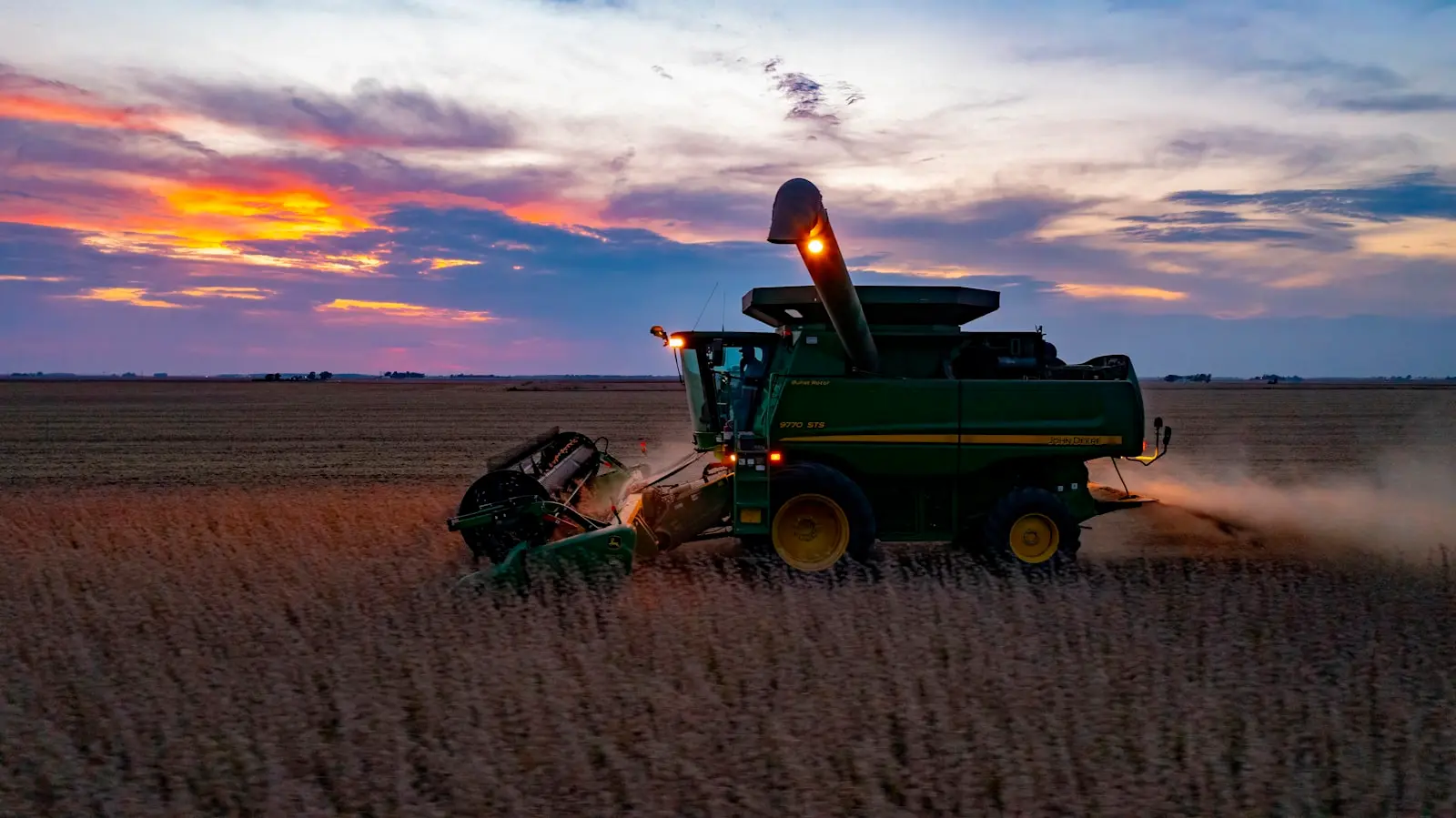
Harvest too early and grain never fills; too late and it shatters or lodges. The narrow window that decides if the season pays off.
Vaibhav Dhama2 min read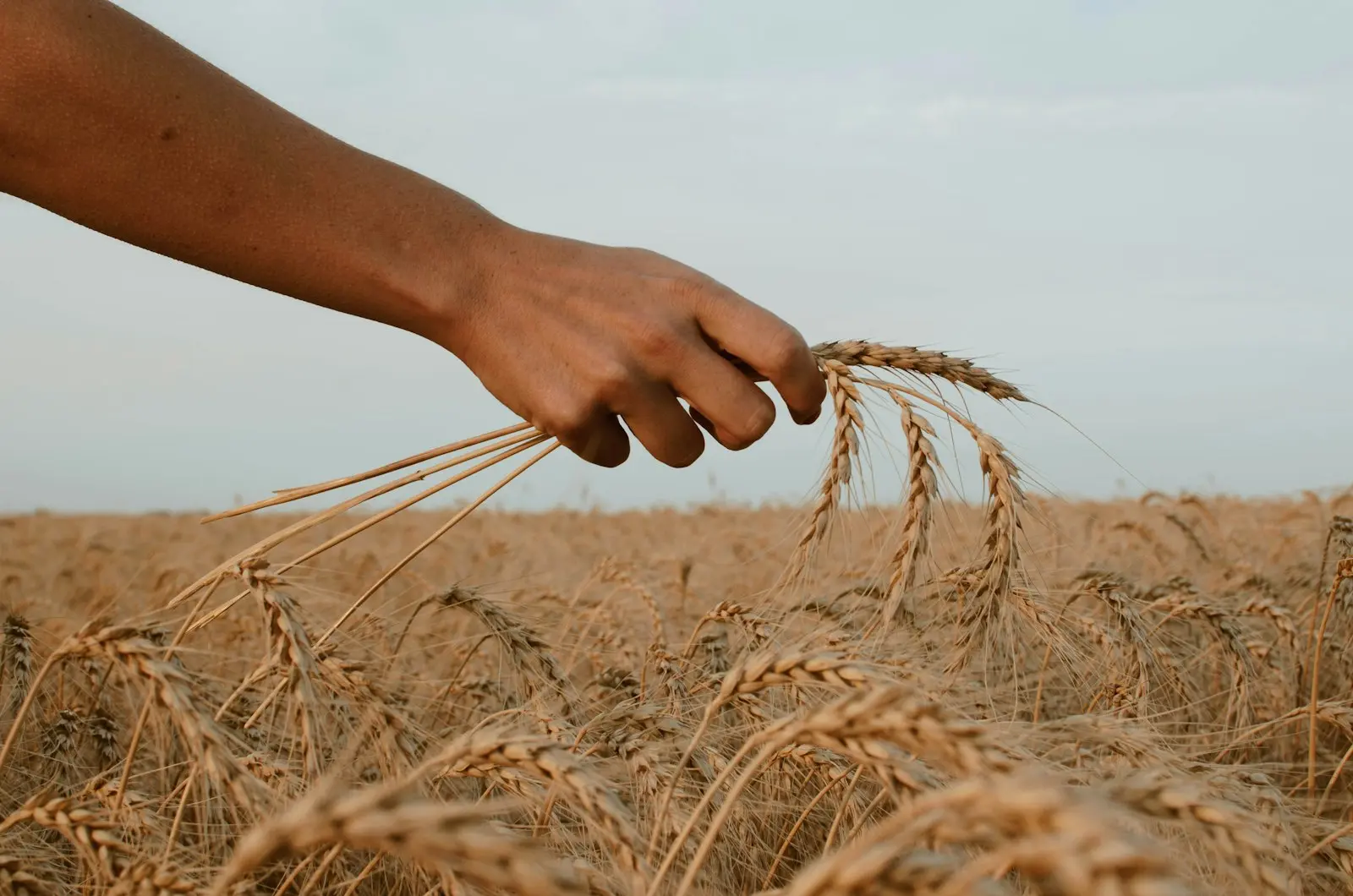
Two wheat farmers with identical land and MSP can still end with very different profit - decided by sowing date, nitrogen and irrigation timing.
Vaibhav Dhama3 min read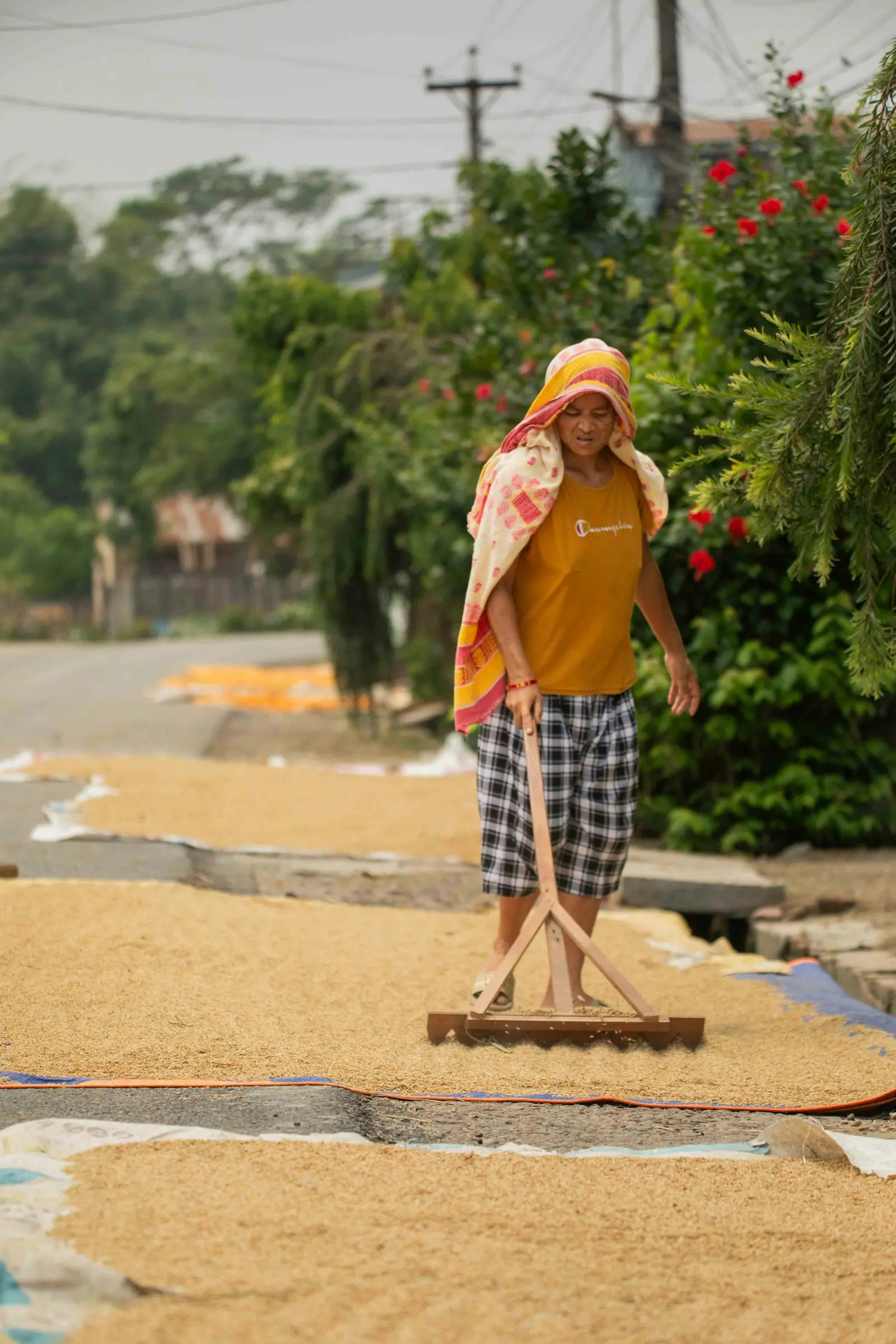
Grain stored too damp, uncleaned or on bare ground is already partway to spoiled. Most storage loss is decided in the first week after harvest.
Vaibhav Dhama2 min read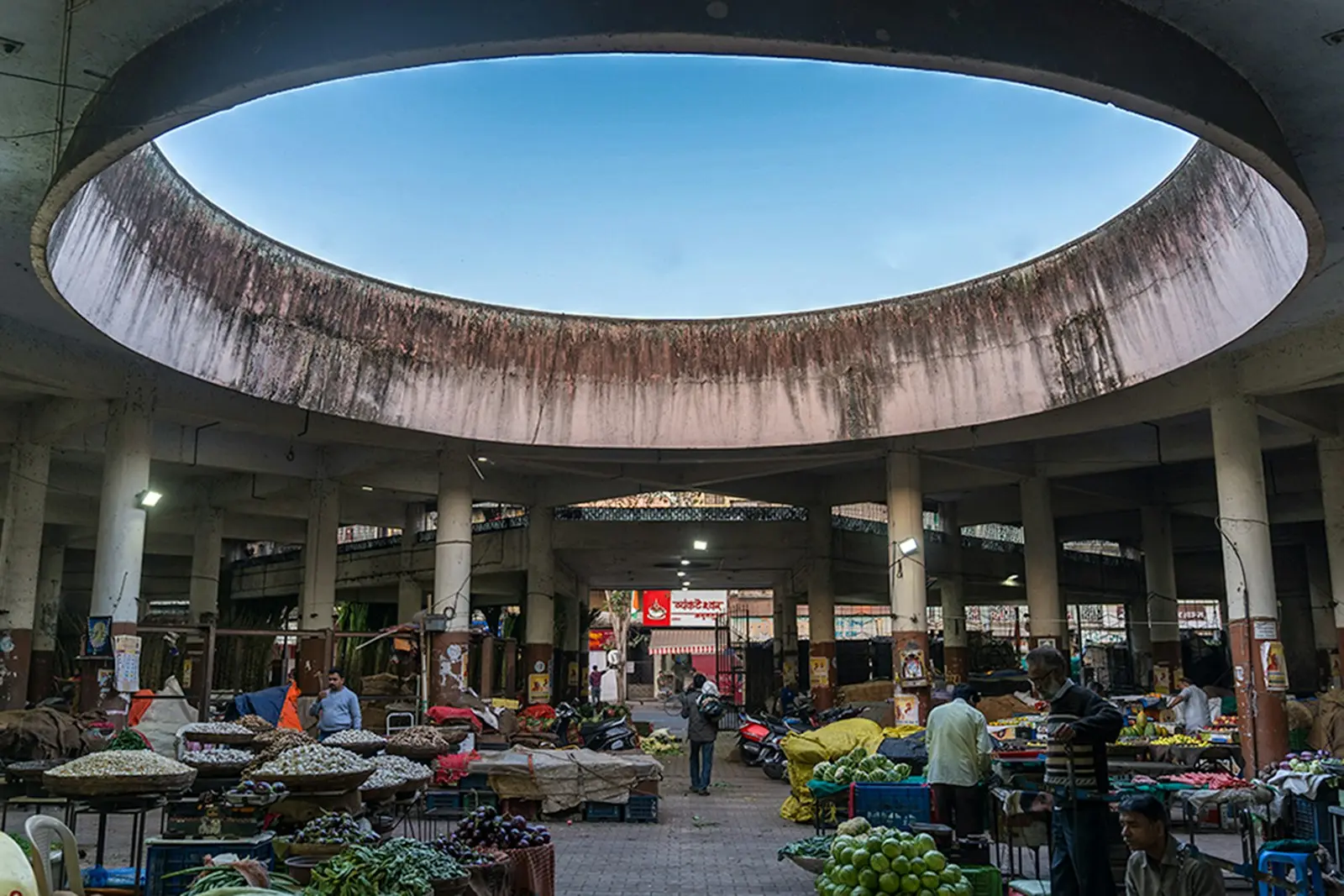
Weighment, quality assay, open auction, a signed receipt - every step an APMC transaction skips is a step where a farmer gets underpaid.
Vaibhav Dhama3 min read
MSP is announced for 23 crops each season, but real procurement is mostly wheat and paddy in a few states. How the price is set, and how to sell.
Vaibhav Dhama3 min read