बकरी पालन शुरू करना: पहले साल की योजना
कम पूंजी, कम ज़मीन, और हर 8 महीने में बच्चे देने वाली बकरी - तेज़ी से बढ़ने वाला व्यवसाय। लागत, कौन-सी नस्ल, और सबसे बड़ा जोखिम।
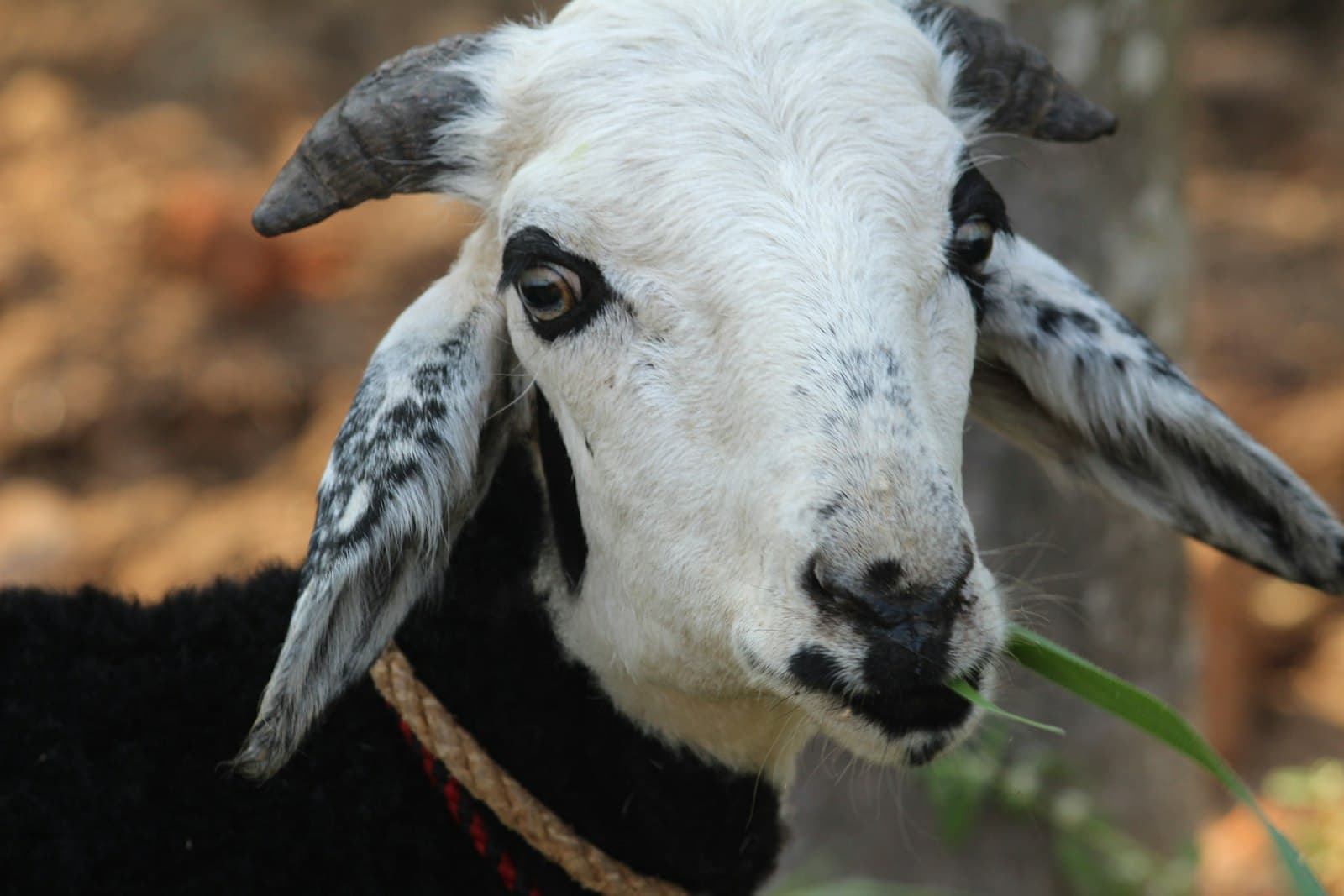
Goat farming gets recommended as the easiest livestock entry point for a specific, arithmetical reason: a doe kids roughly every 8 months, often with twins, so a starter herd of 10–20 does can realistically double within two years without buying a single additional animal. Here is what a first unit actually involves, drawing on the goat farming topic page and the business opportunities comparison on the livestock hub.
What a starter unit actually costs
A 10–20 doe unit typically runs ₹1–3 lakh, covering a covered shed, a small outdoor run, and the animals themselves. That is a fraction of what a comparable dairy or poultry unit needs — the main reason goat farming is usually the first recommendation for a smallholder with limited capital and limited land.
Choosing a breed for your goal
- Barbari — dual-purpose (meat and dairy), semi-arid-adapted, and hardy. It yields 0.5–1.5 litres of milk a day alongside meat, and its disease resistance is good. The default recommendation for a mixed-purpose herd.
- Boer — bred purely for meat, reaching 90–135 kg live weight (bucks) in about 12 months, far heavier than a desi breed at the same age. It needs a drier climate and more regular deworming than Barbari, and is the better choice where the market pays specifically for meat weight.
The breed comparison table on the hub sets both against cattle, buffalo and poultry breeds side by side, including climate suitability and difficulty.
The one risk that sinks more goat units than any other: disease, not the market
Goat farming's economics are forgiving; its disease exposure is not. PPR (Peste des Petits Ruminants) and Enterotoxaemia (ET) between them account for most catastrophic herd losses — PPR mortality can exceed 50% in an unvaccinated flock. Neither has a cure once symptoms appear. The vaccination calendar for goats covers ET at 3–4 months, PPR once past 4 months, and annual boosters — treat it as non-negotiable, not optional overhead.
A first-year plan
- Shed and fencing first, sized for the herd you intend to reach in year two, not just the does you're buying now — expanding a shed mid-cycle is more disruptive than building slightly ahead.
- Buy does, not kids, for the first batch — an already-kidding or soon-to-kid doe starts producing income within months, where a kid needs a year or more to mature.
- Vaccinate on schedule from day one — the ET and PPR doses above are the difference between a herd that compounds and one that collapses in its first monsoon.
- Budget the loan correctly — a goat/sheep unit preset is already built into the Loan EMI Calculator, and the National Livestock Mission pays a 50% capital subsidy up to ₹50 lakh on a sheep/goat entrepreneurship unit, so borrow only for the remainder after that subsidy.
- Sell on a schedule, not a whim — kids sold at 6–12 months at a steady cadence keep the herd's age structure healthy; holding everything for one big sale concentrates both risk and market-timing luck.
Done this way, goat farming is less a gamble than a compounding exercise — the herd grows on its own biology, and the job is mostly keeping disease and cash flow under control while it does.
Frequently asked questions
क्या भारत में बकरी पालन लाभदायक है?
हाँ, और यह आमतौर पर छोटे किसान के लिए सबसे सुलभ पशुधन व्यवसाय है — 10–20 बकरियों की शुरुआती यूनिट को आम तौर पर ₹1–3 लाख चाहिए, और प्रति बकरी प्रति ब्यांत चक्र लगभग ₹3,000–6,000 शुद्ध मिलता है। मुख्य जोखिम बीमारी है, ख़ासकर पीपीआर व एंटरोटॉक्सीमिया, यही वजह है कि टीकाकरण यहाँ लगभग किसी भी अन्य पशु से ज़्यादा मायने रखता है।
शुरुआत करने वाले को कौन सी बकरी नस्ल से शुरू करना चाहिए?
बरबरी, अगर लक्ष्य छोटे प्लॉट पर दोहरे उपयोग का झुंड है — यह अर्ध-शुष्क जलवायु के अनुकूल, रोग-प्रतिरोधी है और मांस के साथ उपयोगी मात्रा में दूध भी देती है। बोअर तेज़ व भारी बढ़ती है शुद्ध मांस व्यवसाय के लिए, पर उसे सूखी जलवायु और देसी नस्ल से ज़्यादा सावधान कृमि-नाशन चाहिए।
बकरी पालन के लिए कितनी ज़मीन चाहिए?
समान संख्या में डेयरी या मुर्गी पालन से कहीं कम — शुरुआती यूनिट के लिए ढका शेड और छोटा बाहरी बाड़ा काफ़ी है, और बकरियाँ बड़े चरागाह के बजाय झाड़ियाँ चरती हैं, इसलिए बंजर ज़मीन की एक बाड़बंद पट्टी भी ख़रीदे चारे को पूरक बना सकती है। यही कम ज़मीन ज़रूरत बकरी पालन को छोटे किसानों के लिए अनुकूल बनाती है।

लेखक
Vaibhav Dhama
संस्थापक, टेक्निकल किसान
वैभव धामा टेक्निकल किसान के संस्थापक हैं। वे बागपत, उत्तर प्रदेश से लिखते हैं — आईसीएआर और राज्य कृषि विश्वविद्यालयों की सलाह, सरकारी योजना अधिसूचनाओं और लाइव मंडी भाव के आधार पर।
- बागपत, उत्तर प्रदेश से लिखते हैं
- पेशे से सॉफ़्टवेयर डेवलपर (BTech, 2021)
- कृषि विशेषज्ञ नहीं — अपने KVK से पुष्टि करें
Discussion is coming soon
We are building a comments section where you can ask a question about this guide and see what other farmers in your district are doing.
For now, write to us at [email protected] — we read every message.