डेयरी पशुओं का टीकाकरण कैलेंडर
साल में दो बार एफएमडी, मानसून से पहले एचएस-बीक्यू, बछिया में एक बार ब्रुसेलोसिस - चार ज़रूरी टीके, और छोड़ने पर होने वाला नुकसान।
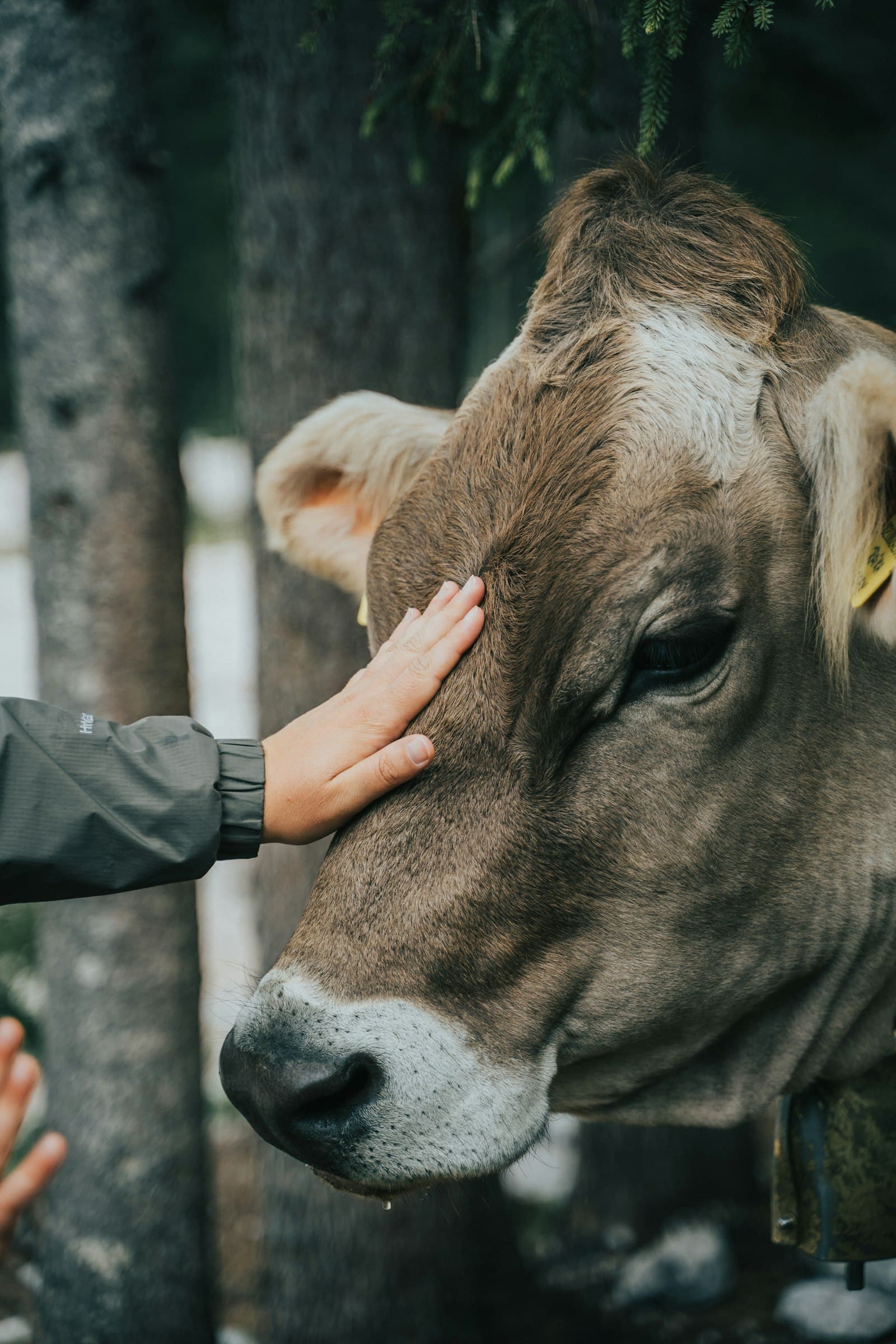
A missed vaccination is the single most avoidable loss on a dairy farm — every one of the diseases below is cheaper to prevent than to treat, and for most of them there is no treatment at all once symptoms appear. This is the practical calendar; the dairy management portal covers breed choice, feeding and economics alongside it, and the full vaccination calendar for all four animals on the livestock hub covers goat, poultry and sheep alongside cattle.
Birth: the first two hours matter most
Before any vaccine, colostrum within 2 hours of birth is the calf's real first line of defence — it carries the antibodies a newborn cannot yet make itself. Disinfect the navel with tincture iodine at the same time to keep out navel-ill infection.
First vaccination: FMD at 4 months
The calf's first Foot-and-Mouth Disease (FMD) dose is given around 4 months of age, with deworming about a week beforehand so the vaccine isn't fighting a worm burden at the same time. FMD causes blisters on the mouth and between the hooves, fever and a sharp drop in milk yield — and once symptoms show, there is no cure, only supportive care while the animal recovers over two to three weeks.
Booster: FMD every 6 months, HS and BQ once a year
FMD is repeated every 6 months for the animal's entire life — immunity from a single dose does not last a full year. Haemorrhagic Septicaemia (HS) and Black Quarter (BQ) are given once annually, timed ahead of the monsoon when both diseases are most active.
Annual: closing the loop
The annual round is FMD (twice a year, so this is really two of the six-monthly doses), HS and BQ (once, pre-monsoon), and — for heifer calves only, once in their lifetime — Brucellosis vaccination at 4–8 months of age. Brucellosis causes abortion and infertility and is one of the few diseases here that can also infect humans handling an infected animal, which is why the heifer-calf window is not optional.
Building this into your calendar
A few habits keep the schedule from slipping:
- Write the dates down the day you get a vaccine, not from memory — a missed FMD booster is the most common gap on Indian dairy farms.
- Time HS/BQ deliberately before the monsoon, when both diseases spike, rather than whenever it's convenient.
- Keep a per-animal card, especially in a mixed herd — a bought-in animal's vaccination history rarely comes with it, and starting it on the standard calendar from the day it arrives is safer than assuming it is covered.
- Budget for it alongside feed — the Feed Requirement Calculator and a basic vaccination budget together are the two smallest line items that prevent the two largest kinds of loss on a dairy farm.
None of this replaces a veterinarian's judgement — state programmes and disease pressure vary, so confirm the current local schedule with your veterinary hospital or mobile unit rather than treating this as a substitute for their advice.
Frequently asked questions
भारत में डेयरी पशुओं के लिए कौन से टीके अनिवार्य हैं?
एफएमडी (साल में दो बार) और अधिकांश राज्यों में एचएस व बीक्यू (साल में एक बार, मानसून से पहले) को राज्य पशुपालन विभाग अनिवार्य मानते हैं, क्योंकि इनमें से किसी का भी प्रकोप कितनी तेज़ी व लागत से फैलता है। 4–8 महीने की बछियों के लिए ब्रुसेलोसिस टीका भी मानक प्रथा है।
एफएमडी का टीका साल में एक बार नहीं, दो बार क्यों?
टीके से मिली एफएमडी प्रतिरक्षा पूरे साल नहीं टिकती, और यह रोग अधिकांश भारतीय पशु आबादी में लगातार फैलता रहता है — साल में एक ख़ुराक एक असली अंतराल छोड़ देती है जिसमें पशु असुरक्षित रहता है। साल में दो बार की अनुसूची यह अंतराल बंद करती है, इसीलिए लगभग कोई राज्य कार्यक्रम इसे साल में एक बार तक कम नहीं करता।
अगर टीका छूट जाए तो क्या होता है?
अगली निर्धारित ख़ुराक तक पशु असुरक्षित रहता है — एफएमडी के लिए इसका मतलब छह महीने तक का जोखिम हो सकता है। अगले वार्षिक चक्र का इंतज़ार न करें; ध्यान में आते ही पास के पशु चिकित्सालय या मोबाइल यूनिट से छूटा टीका लगवाएँ, और वहाँ से सामान्य कैलेंडर फिर से शुरू करें।

लेखक
Vaibhav Dhama
संस्थापक, टेक्निकल किसान
वैभव धामा टेक्निकल किसान के संस्थापक हैं। वे बागपत, उत्तर प्रदेश से लिखते हैं — आईसीएआर और राज्य कृषि विश्वविद्यालयों की सलाह, सरकारी योजना अधिसूचनाओं और लाइव मंडी भाव के आधार पर।
- बागपत, उत्तर प्रदेश से लिखते हैं
- पेशे से सॉफ़्टवेयर डेवलपर (BTech, 2021)
- कृषि विशेषज्ञ नहीं — अपने KVK से पुष्टि करें
Discussion is coming soon
We are building a comments section where you can ask a question about this guide and see what other farmers in your district are doing.
For now, write to us at [email protected] — we read every message.